A strange laugh travels through Thornfield Hall long before Jane understands what its master is hiding. Edward Rochester in Jane Eyre is her employer, her intellectual companion, and eventually her husband, but his love brings her dangerously close to a life built on deception.
Charlotte Brontë makes their attraction easy to feel while giving Jane good reasons to resist it. This character and relationship analysis includes spoilers through the ending, exploring whether Rochester loves Jane and how far that love can excuse his conduct.
JUMP TO:
Who Is Edward Rochester in Jane Eyre?
Edward Fairfax Rochester owns Thornfield Hall, where Jane works as governess to his young ward, Adèle Varens. His blunt manner unsettles her, though she soon looks forward to talks that reach beyond her daily work.
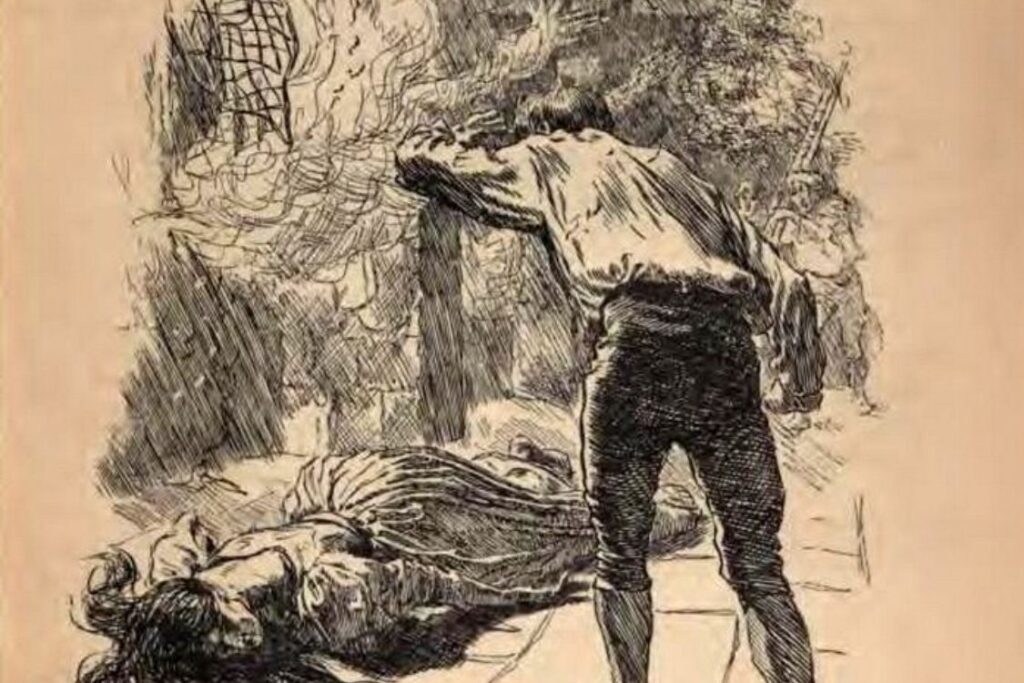
Rochester is often called a Byronic hero, a brooding romantic figure whose troubled past gives him both charm and a hint of danger. His moods and hints of regret lead Jane to wonder what has wounded him. Strange laughter and a nighttime fire suggest that Thornfield holds secrets she cannot yet name.
That mystery draws them closer as Jane earns his trust. Yet Rochester decides how much she can learn, hiding the one fact that would change her choices.
Why Jane Is Drawn to Rochester
Jane has spent much of her life among people who expect obedience or gratitude. Rochester’s interest in her opinions offers a welcome change, especially when their conversations allow her to answer him with a frankness that others might consider improper.
In Chapter 14, she challenges his belief that age and experience give him a right to command her. She asks how he has used those advantages, since she can respect his judgment without giving up her own.
Her reply helps explain their attraction. Jane neither flatters him nor shrinks from his difficult moods, and Rochester finds pleasure in a mind that challenges his own.
For Jane, the pleasure is just as personal. A man whose presence once made her uneasy grows dear through conversation and shared confidences, until Thornfield feels like a home she cannot bear to lose. Our Jane Eyre quotes about love and self-respect follow the same struggle between her longing for affection and her need to remain free.
Did Rochester Love Jane?
The novel gives strong reasons to believe Rochester loves Jane. He seeks her company and values her mind, despite the gap in their wealth and rank. Yet he hopes to marry her without revealing that he already has a wife.
“I ask you to pass through life at my side—to be my second self, and best earthly companion.”Rochester to Jane, Charlotte Brontë’s Jane Eyre, Chapter 23
The tenderness of this proposal lies in the companionship he imagines. Jane has felt unwanted since childhood, and Rochester offers the hope of sharing her life with someone who finds her presence essential.
His words are harder to trust once Jane learns he is already married. He wants Jane beside him, but he has denied her the knowledge she needs to decide whether she can accept that place.
In Chapter 27 of Brontë’s novel, his desperate appeal combines love with an effort to keep her from leaving. The scene asks us to hold two truths together. Rochester’s attachment may be sincere, while the future he proposes still asks Jane to abandon principles he knows she holds dear.
How Secrecy Shapes Their Relationship
Jealousy and Disguise
Before the proposal, Rochester leads Jane to believe he plans to marry Blanche Ingram. Jane watches their apparent courtship while hiding her own feelings, and the thought of leaving Thornfield grows more painful.
Rochester later admits that he hoped to make her jealous. His disguise as a fortune-teller serves a similar purpose, allowing him to question Jane about her feelings while hiding his identity.
These scenes add suspense to the romance, but they also expose an unequal exchange. Rochester can draw out Jane’s feelings while keeping his own plans hidden. She suffers through the thought of losing him, unaware that he has no plans to marry Blanche.
The Marriage Jane Cannot Accept
The interrupted wedding reveals that Rochester’s wife, Bertha Mason, is alive and confined at Thornfield under Grace Poole’s care. The strange laughter and other events now make sense, while Jane must question the trust on which her happiness rested.
Rochester describes a marriage arranged through deception and years of misery that followed. His account helps explain his desperation, but it comes from a man pleading for Jane to stay, with little opportunity for Bertha’s experience to be heard.
Jane’s departure costs her the home and affection she has wanted for so long. The life abroad that Rochester offers would mean living as the partner of a married man, against her conscience.
The fact that she still loves him makes the decision harder. At this painful point, Jane must guard against the very future that the man she trusts most wants her to accept.
Is Mr Rochester a Good Man?
Rochester is capable of care and courage, but his treatment of Jane gives us serious reasons to question his goodness. Any fair judgment must account for both his generosity and the harm he causes when his wishes meet resistance.
He provides for Adèle despite doubting that she is his daughter, and his talks with Jane give her the care and interest she has rarely known. Later, during the fire at Thornfield, he helps others escape and attempts to save Bertha.
His conduct after the failed wedding is far more troubling. When Jane refuses to stay, he grips and shakes her while speaking of the physical power he could exercise over her. The scene goes beyond wounded pride, as his fear of losing her turns into an effort to force her to stay.
The difficulty of judging Edward Rochester in Jane Eyre lies in the closeness of his tenderness and his selfishness. He can recognize Jane’s worth while assuming that his suffering entitles him to decide what she should sacrifice for him.
A careful answer, then, is that Rochester has good qualities and the capacity to change, but he repeatedly acts badly during their courtship. His love helps us understand his desperation without making Jane responsible for forgiving every expression of it.
Does Rochester Change by the End?
When Jane returns, she has money of her own and relatives who love her. She can choose a life beyond Rochester’s household, which gives their reunion a freedom that their earlier courtship lacked.
Rochester has lost his sight and a hand in the fire at Thornfield, where Bertha died. His injuries change his life, but his remorse offers stronger grounds for believing he has changed. He also learns to accept Jane’s help.
“Hitherto I have hated to be helped—to be led: henceforth, I feel I shall hate it no more.”Rochester to Jane, Charlotte Brontë’s Jane Eyre, Chapter 37
For a man accustomed to directing the lives around him, accepting care marks a meaningful change. Jane returns with the power to leave, and their marriage follows her freely offered commitment.
The final chapter describes ten years of companionship, giving the reunion a life beyond its first rush of happiness. Our Jane Eyre ending explained explores how Jane’s independence shapes that resolution and why her return carries a different meaning from staying at Thornfield.
Love That Leaves Room for Choice
Edward Rochester in Jane Eyre remains compelling because his tenderness survives our knowledge of his faults, even as those faults demand an honest judgment. Jane’s courage gives the romance its deepest lesson. She can love him enough to grieve their separation while respecting herself enough to leave, preserving the freedom that later allows her to return. A declaration of love deserves its fullest trust when the person making it also respects our right to choose.
Leave a Reply