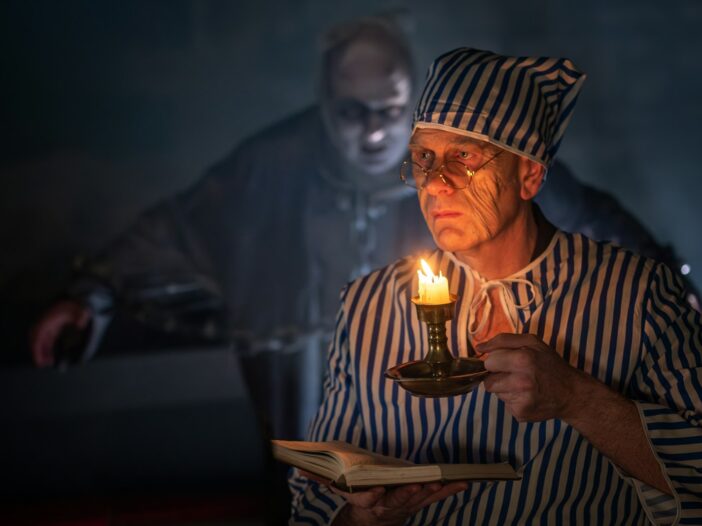
The most famous A Christmas Carol quotes capture Ebenezer Scrooge’s journey from a bitter old man to someone who learns to love Christmas. Through ghostly warnings, memories, and acts of kindness, Charles Dickens tells a story about greed, compassion, and the chance to change. First published in 1843, A Christmas Carol follows Scrooge as three […]
classic literature
Estella in Great Expectations and What She Really Represents
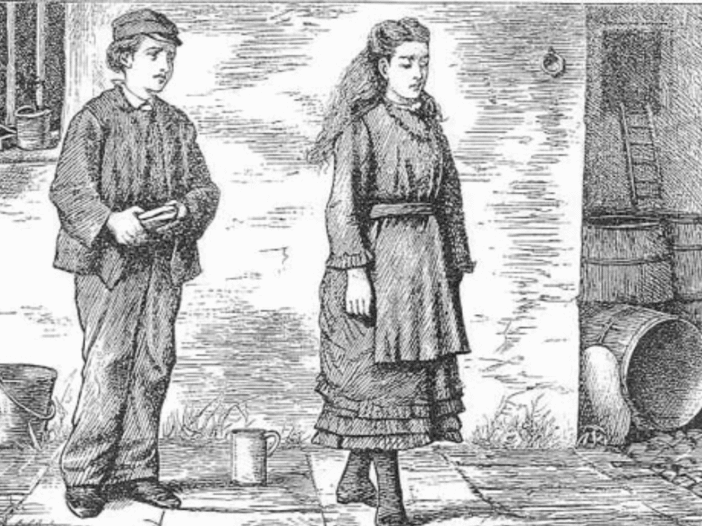
Estella in Great Expectations is Miss Havisham’s adopted daughter, Pip’s great romantic obsession, and one of Charles Dickens’s most complicated characters. Raised to distrust love and break men’s hearts, she can seem proud and unfeeling at first. Yet Dickens gradually shows readers how deeply her upbringing has shaped her. Through Estella’s relationship with Pip, her […]
Who Did Machiavelli Write The Prince For—and Why?
Niccolò Machiavelli wrote The Prince for a member of Florence’s ruling Medici family. More precisely, he dedicated the final version to Lorenzo di Piero de’ Medici, Duke of Urbino. Lorenzo was the grandson of Lorenzo the Magnificent, not the famous statesman himself. Machiavelli had lost his government post after the Medici returned to power. By […]
Great Expectations Ending Explained: Do Pip and Estella End Up Together?
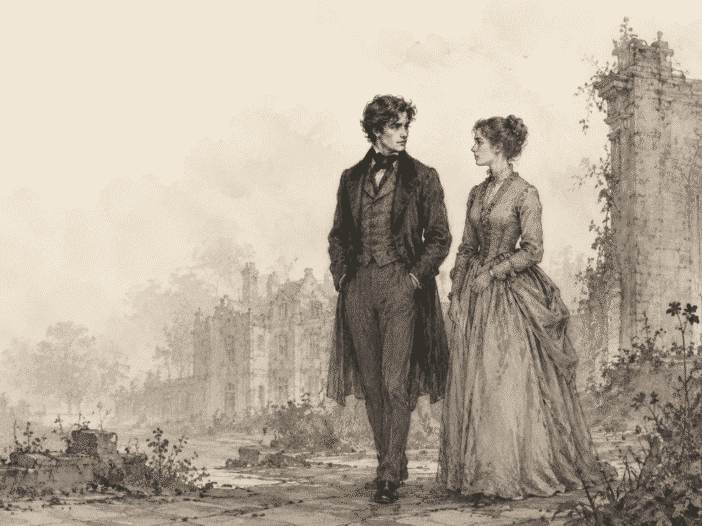
The ending of Great Expectations is famous partly because Charles Dickens wrote it twice. In the version readers usually know, Pip and Estella meet again at the ruins of Satis House after years apart and walk away together. Yet Dickens never tells us they marry, which leaves the final scene open to interpretation. His original […]
25 Great Expectations Book Quotes About Love, Ambition, and Life
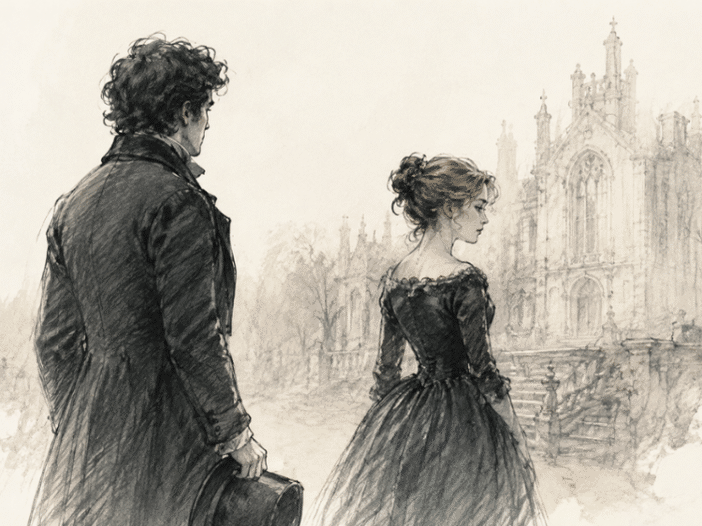
Great Expectations by Charles Dickens is full of people wanting the wrong things for reasons they do not fully understand. Pip wants to become a gentleman. Miss Havisham wants revenge. Estella has been taught to keep love at arm’s length, while Joe quietly demonstrates the kind of loyalty Pip spends years taking for granted. Along […]
What Does “It Was the Best of Times, It Was the Worst of Times” Mean?
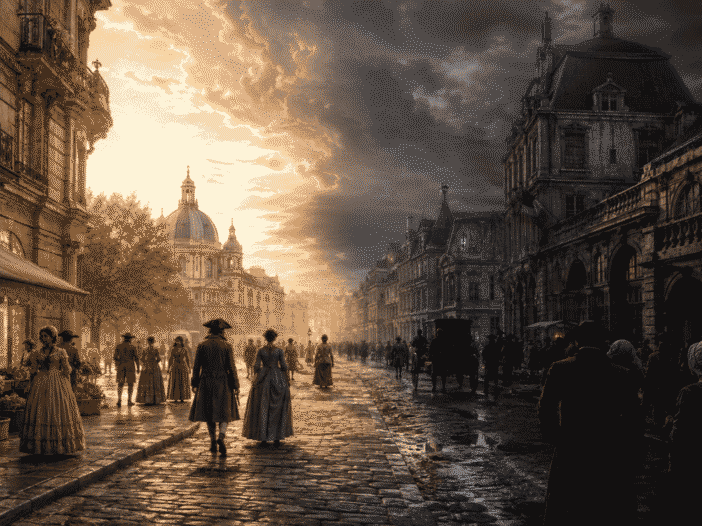
“It was the best of times, it was the worst of times” means that hope and suffering can exist at the same time. Charles Dickens opens A Tale of Two Cities with a world full of contradictions, where progress sits beside inequality and optimism exists alongside fear. However, the famous line does more than describe […]