
Niccolò Machiavelli wrote The Prince for a member of Florence’s ruling Medici family. More precisely, he dedicated the final version to Lorenzo di Piero de’ Medici, Duke of Urbino. Lorenzo was the grandson of Lorenzo the Magnificent, not the famous statesman himself. Machiavelli had lost his government post after the Medici returned to power. By […]
Political Philosophy
Did Machiavelli Really Say “The Ends Justify the Means”?
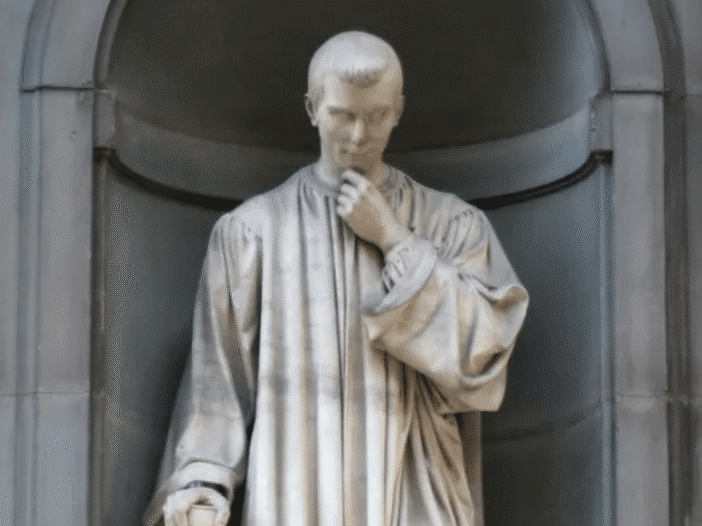
“The ends justify the means” is one of the sayings most closely linked to Niccolò Machiavelli. But Machiavelli never wrote those exact words. Several arguments in The Prince still explain why the phrase became attached to him. His real position was more specific than the familiar slogan suggests. He believed rulers might need to choose […]
What Is Suicidal Empathy? Gad Saad’s Idea Explained

Empathy seems like one of those qualities you can never have too much of. On one hand, suicidal empathy is Gad Saad’s term for compassion that, in his view, becomes harmful when emotion overrides evidence, limits, consequences, or the needs of other people. Saad applies the idea to immigration, cultural relativism, crime, homelessness, gender policy, […]
Social Justice Fallacies by Thomas Sowell Explained in 7 Key Ideas
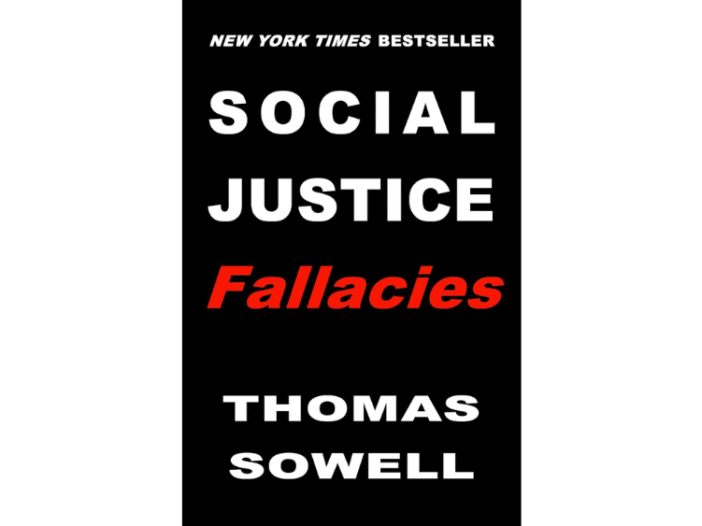
Thomas Sowell does not begin Social Justice Fallacies by arguing that life is fair. He starts with a different question. What should we conclude when people or groups end up with different results? Published in 2023, the book challenges common ideas about equality, discrimination, expert knowledge, and public policy. This Social Justice Fallacies summary explains […]
Discourses on Livy by Machiavelli Explained in 7 Key Ideas

Most people meet Niccolò Machiavelli through The Prince, where rulers worry about fear, loyalty, reputation, and political survival. Discourses on Livy shows a different side of his political thinking. Here, Machiavelli studies ancient Rome to ask how republics protect liberty, control corruption, handle political conflict, and survive long after individual leaders leave office. Reading Discourses […]