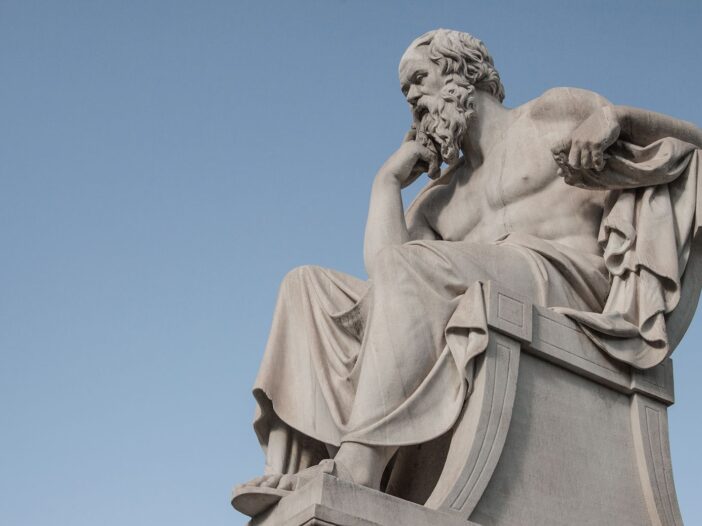
Few admissions feel more uncomfortable than acknowledging that we may be wrong. The saying “the only true wisdom is in knowing you know nothing,” attributed to Socrates, gives that admission a different dignity. It suggests that wisdom begins with recognizing the limits of our understanding, especially where confidence has outrun our reasons. The familiar sentence […]
quote meanings
What Is Chesterton’s Fence? Meaning, Examples, and the Original Quote

An old rule can look foolish when everyone has forgotten the problem it once solved. Chesterton’s fence is the principle that we should understand why something exists before deciding to remove it. A barrier may deserve to come down, but our inability to explain its purpose is a poor reason to reach for the axe. […]
The Chronicles of Narnia Quotes and Their Meanings
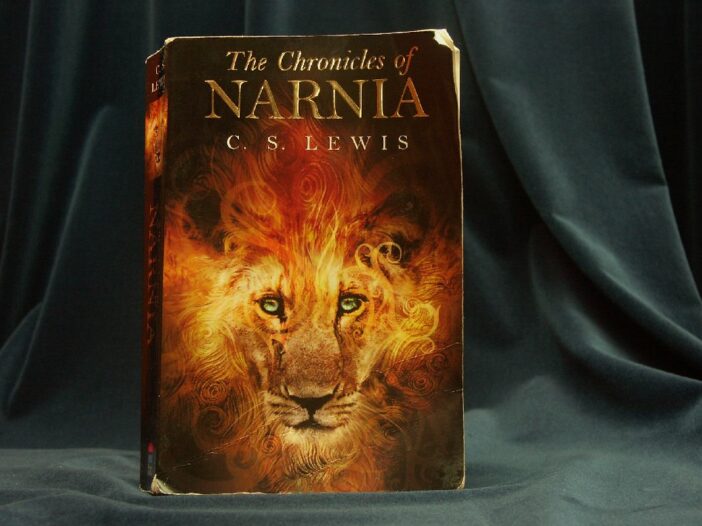
A talking mouse can deliver a surprisingly good comeback, and a lion’s quiet words can linger long after an adventure ends. These Narnia quotes bring together memorable passages from C.S. Lewis’s seven books, with the speaker, chapter, and a short explanation of what happens around each line. Some offer comfort, while others sound less reassuring […]
What Does “Barkis Is Willing” Mean in David Copperfield?

“Barkis is willing” is one of those Dickens phrases that sounds almost meaningless once it is removed from its scene. In David Copperfield, however, it is Mr. Barkis’s remarkably indirect way of letting Clara Peggotty know that he wants to marry her. The humor comes from how little Barkis says and how little young David […]
“The Truth Is Rarely Pure and Never Simple” Meaning in The Importance of Being Earnest
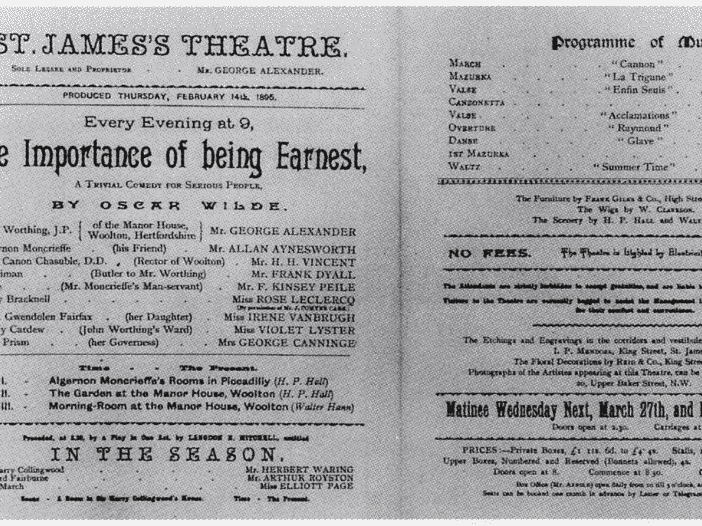
Algernon’s famous line about truth begins as a joke about Jack’s double life, but Wilde carries the idea through deception, identity, and the play’s wonderfully ironic ending.
What Did Nietzsche Mean by “God Is Dead”?

Few philosophical statements have been quoted as confidently, or misunderstood as quickly, as Nietzsche’s “God is dead.” The phrase sounds like a blunt declaration of atheism, but Friedrich Nietzsche was describing something much larger than disbelief in God. In The Gay Science, the famous words come from a madman speaking to people who already consider […]