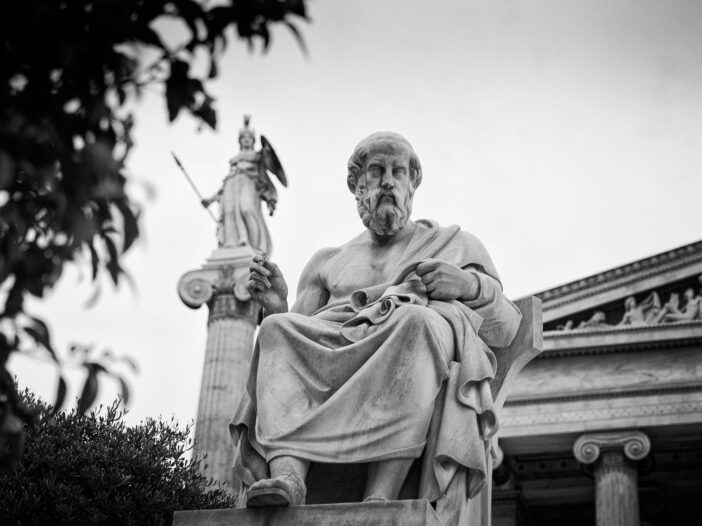
In The Republic, Plato’s philosopher king is a ruler trained to judge what is good for the whole city, even when the right decision is unpopular. One of the strongest reasons to trust such a person with power, Plato suggests, is that they already know a life they would rather lead. This preference creates a […]
Plato
Why Did Plato Dislike Democracy?

A leader can win people’s trust without knowing how to govern well. That gap lies at the heart of Plato on democracy, which asks us to think about freedom and the people we choose to follow. Does knowing how to win a crowd’s support make someone fit to lead it? In The Republic, Plato explores […]
Plato’s Allegory of the Cave Meaning and Examples

How would you recognize a mistaken belief if everyone around you shared it? The meaning of Plato’s allegory of the cave begins with that troubling question. Its prisoners accept shadows as reality because they have never been able to look beyond them. Leaving the cave promises understanding, yet the journey brings pain and confusion before […]
20 Famous Plato Quotes on Democracy, Wisdom, and Life
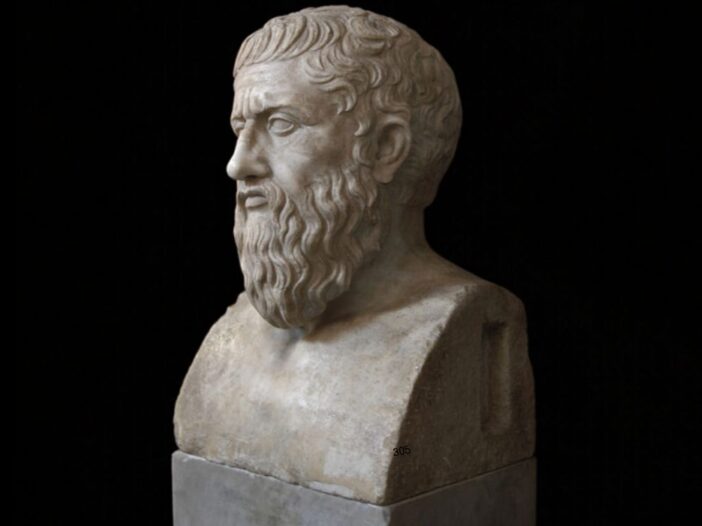
A society can prize freedom and still struggle to recognize a dangerous leader. That tension runs through many famous Plato quotes, especially his reflections on democracy and the rise of tyranny. His questions reach beyond politics, asking what qualifies someone to govern and how any of us can distinguish sound judgment from a persuasive performance. […]
The Only True Wisdom and What Socrates Meant
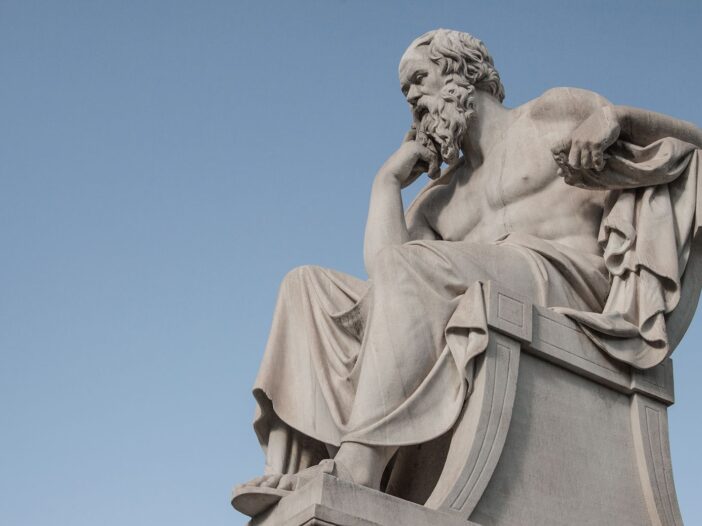
Few admissions feel more uncomfortable than acknowledging that we may be wrong. The saying “the only true wisdom is in knowing you know nothing,” attributed to Socrates, gives that admission a different dignity. It suggests that wisdom begins with recognizing the limits of our understanding, especially where confidence has outrun our reasons. The familiar sentence […]