
Procrastination is rarely just laziness. Sometimes it is overwhelm, fear, boredom, perfectionism, or the emotional drama of knowing exactly what you need to do and still choosing to reorganize your desk drawer.
These best productivity books for procrastination can help you understand why you delay, how to start, and what systems make follow-through easier. More importantly, they give you practical ways to build focus without turning your whole life into a color-coded punishment chart.
TABLE OF CONTENTS
- Why Productivity Books Can Help With Procrastination
- How to Choose the Right Productivity Book
- 1. Eat That Frog! by Brian Tracy
- 2. Atomic Habits by James Clear
- 3. Deep Work by Cal Newport
- 4. Getting Things Done by David Allen
- 5. Essentialism by Greg McKeown
- 6. Four Thousand Weeks by Oliver Burkeman
- 7. The Now Habit by Neil Fiore
- 8. The War of Art by Steven Pressfield
- 9. Make Time by Jake Knapp and John Zeratsky
- Which Productivity Book Should You Read First?
- How to Actually Use These Books
- Final Thoughts
Why Productivity Books Can Help With Procrastination
The right productivity book does more than tell you to “try harder,” which is probably the least helpful advice ever placed in human language. Instead, a good book helps you understand your habits, attention, environment, and the way you respond to difficult tasks.
The American Psychological Association has described procrastination as a common problem tied to delaying important tasks at home, work, school, and in relationships. It is more than simply waiting too long to do something.
In other words, procrastination is not always about having no discipline. Often, it is about avoiding a feeling. This is why the best books on procrastination usually focus on systems, self-awareness, routines, time management, and reducing friction before motivation disappears into the couch cushions.
How to Choose the Right Productivity Book
Not every productivity book will fit every reader. Some people need help starting. Others need better focus, stronger habits, clearer priorities, or a kinder relationship with time.
Before picking a book, ask yourself one simple question: What is actually stopping me?
If you cannot start, choose a book about procrastination and action. If you cannot focus, choose a book about deep work and distraction. Meanwhile, if you keep saying yes to everything, you may need a book about priorities, boundaries, and doing less with more intention.
| If You Struggle With… | Start With This Book |
|---|---|
| Avoiding hard tasks | Eat That Frog! |
| Building routines | Atomic Habits |
| Staying focused | Deep Work |
| Mental overwhelm | Getting Things Done |
| Overcommitment | Essentialism |
| Feeling behind in life | Four Thousand Weeks |
| Emotional procrastination | The Now Habit |
| Creative resistance | The War of Art |
| Daily distractions | Make Time |
For more book recommendations beyond productivity, you can also explore our list of bestselling books of all time.
1. Eat That Frog! by Brian Tracy
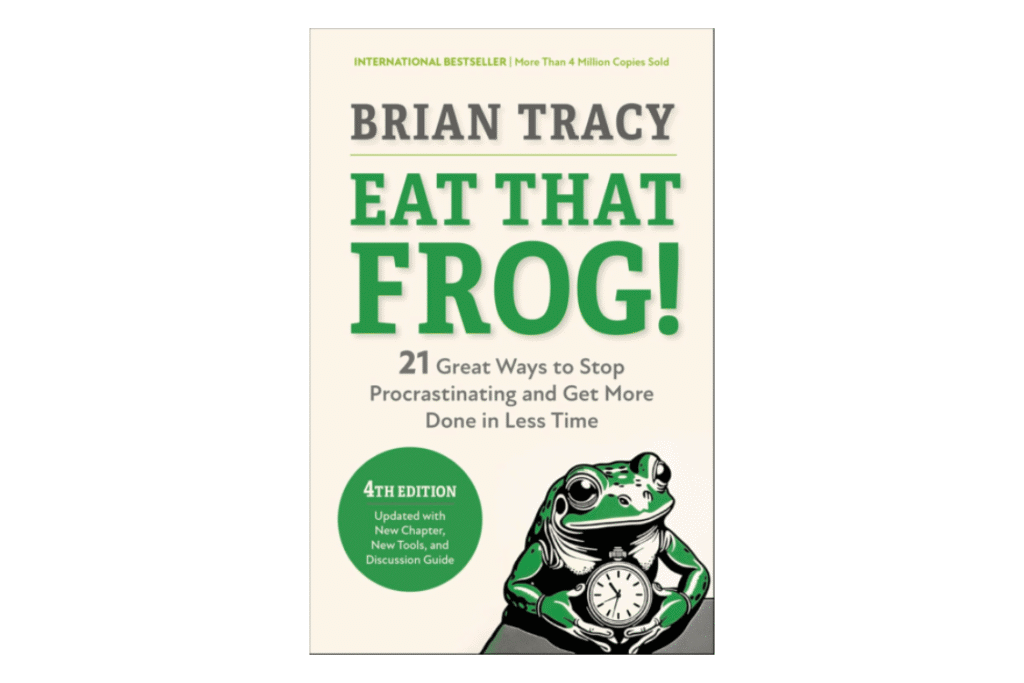
Best for: People who keep avoiding the most important task
Eat That Frog! is one of the most direct books to stop procrastinating because it does not overcomplicate the problem. Brian Tracy’s main idea is simple: do your biggest, ugliest, most important task first.
The “frog” is the task you keep delaying. It is the email, chapter, workout, invoice, appointment, or project that stares at you from your to-do list like it pays rent there. Instead of saving it for later, Tracy encourages readers to tackle it early before the day gets crowded.
One of the book’s most memorable lines captures that idea perfectly:
“If you have to eat two frogs, eat the ugliest one first.”
— Eat That Frog! by Brian Tracy
The image is funny, but the advice is painfully practical. Tracy turns procrastination into a clear choice: stop circling the hardest task and deal with it before the day fills up with easier distractions.
For anyone who keeps delaying the thing that would actually move life forward, this line is a tiny productivity slap in the face.
Try this:
Pick one task tonight that would make tomorrow feel lighter. Do that first before checking messages, scrolling, or pretending your inbox is a personality test.
2. Atomic Habits by James Clear
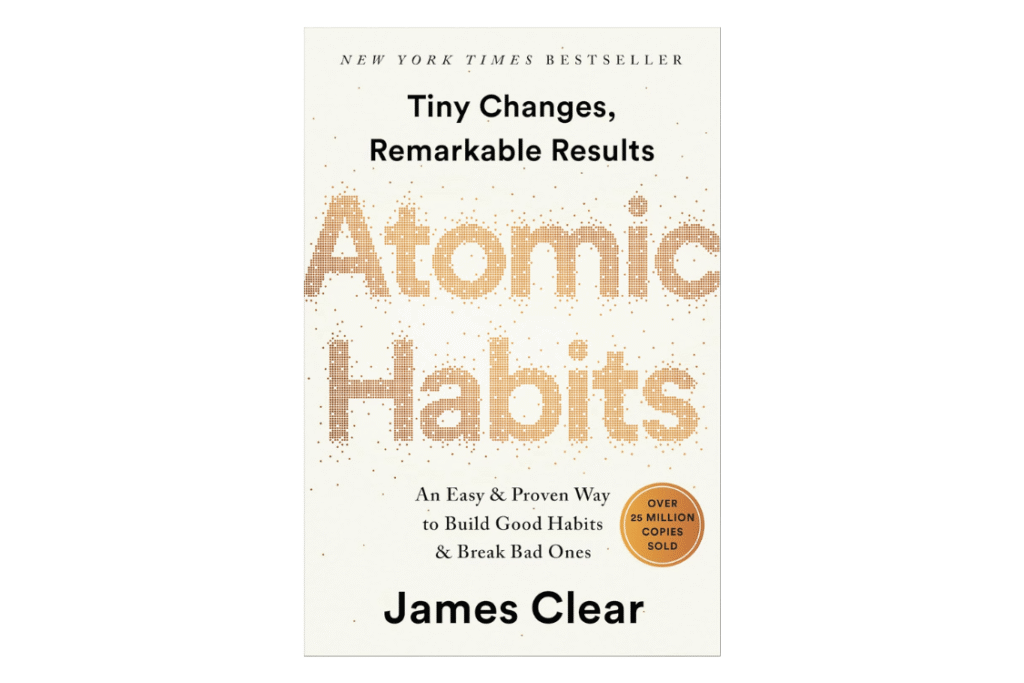
Best for: People who want better routines without relying on motivation
Atomic Habits is one of the most popular productivity books for a reason. James Clear focuses on small changes, identity, environment, and habit systems instead of dramatic life makeovers that collapse by Wednesday.
This book is especially useful if you start strong but struggle to stay consistent. Rather than telling yourself to become a brand-new person overnight, it shows how tiny actions can make better routines easier to repeat.
Clear’s core message comes through in this widely loved line:
“You do not rise to the level of your goals. You fall to the level of your systems.”
— Atomic Habits by James Clear
This quote suggests that motivation is unreliable. Goals sound inspiring, but systems decide what happens when you are tired, busy, bored, or deeply tempted to become one with the couch.
For procrastination, that shift is huge because a better system can make starting easier and delaying harder.
Try this:
Make your next good habit ridiculously small. Read one page. Write one sentence. Clear one surface. Start so small your inner procrastinator cannot build a legal case against it.
3. Deep Work by Cal Newport
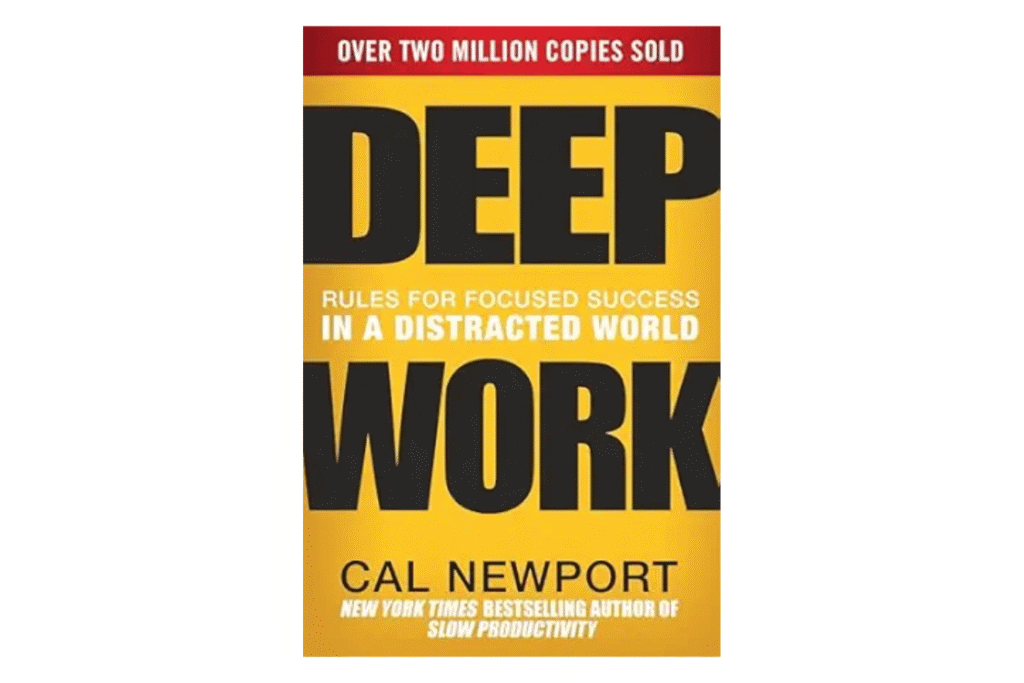
Best for: people who cannot focus because everything is loud
If your brain has 47 tabs open and three of them are playing music, Deep Work is worth reading. Cal Newport argues for focused, distraction-free work in a world that constantly rewards shallow attention.
This is one of the best productivity books for focus because it treats attention as a skill. Instead of assuming you can magically concentrate whenever you want, Newport encourages readers to protect time, reduce distractions, and create rituals for meaningful work.
Newport’s message can be summed up in one short line:
“A deep life is a good life.”
— Deep Work by Cal Newport
Newport is not just talking about getting more tasks done. He is pointing to the satisfaction that comes from giving your full attention to meaningful work.
In a world built for distraction, deep focus becomes less like a productivity trick and more like an act of rebellion.
Try this:
Block one 30-minute deep work session with no phone, no tabs, and no “quick check” that turns into a 40-minute internet side quest.
4. Getting Things Done by David Allen
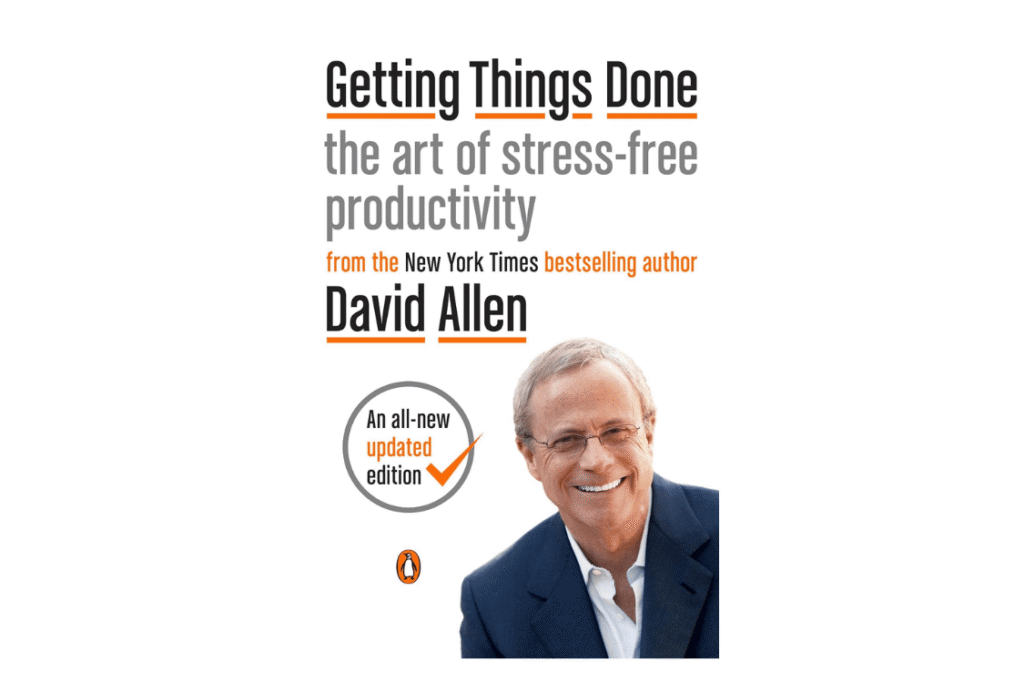
Best for: people overwhelmed by too many open loops
Getting Things Done is a classic time management book for people whose brains keep storing reminders like a chaotic junk drawer. David Allen’s system focuses on capturing tasks, clarifying next actions, organizing commitments, and reviewing them regularly.
This book helps procrastinators because overwhelm often comes from unclear tasks. “Work on project” sounds terrible. “Open document and write the first section heading” sounds manageable.
Allen’s practical philosophy is captured in this famous line:
“Your mind is for having ideas, not holding them.”
— Getting Things Done by David Allen
Allen gets straight to the problem of mental clutter. When your brain is carrying every task, reminder, and unfinished thought, even simple work can feel heavy.
His system helps move those open loops out of your head and into a trusted process, which makes the next step easier to see.
Try this:
Write down every task currently taking up mental space. Then choose the next physical action for each one. Not the dream version. The next actual step.
5. Essentialism by Greg McKeown
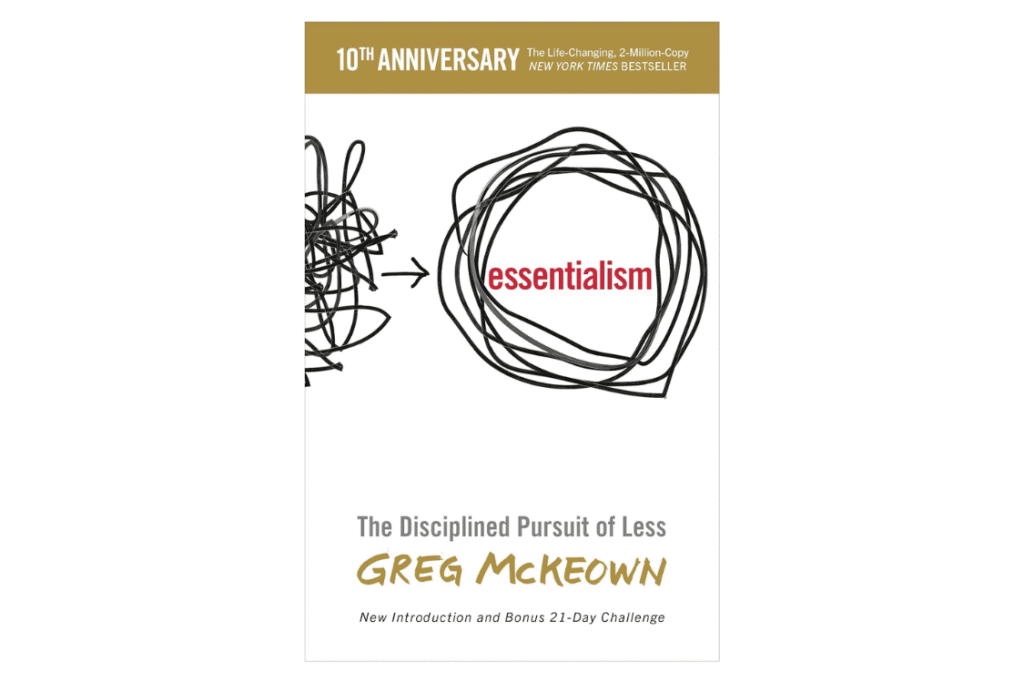
Best for: people who procrastinate because they are overcommitted
Sometimes procrastination happens because you are avoiding one task. More often, it happens because your life has become a buffet of obligations and somehow you are holding everyone else’s plate.
Essentialism is about doing fewer things but doing the right things better. Greg McKeown challenges the idea that productivity means cramming more tasks into the day. Instead, he pushes readers to identify what truly matters and cut what drains energy without purpose.
His message lands clearly in this line:
“If you don’t prioritize your life, someone else will.”
— Essentialism by Greg McKeown
McKeown puts the real danger of overcommitment into one sharp sentence. When you do not choose what matters, other people’s requests, expectations, and emergencies quietly choose for you.
For procrastinators, the issue may not be laziness at all. Sometimes the real problem is having too many “important” things competing for the same tired brain.
Try this:
Look at your current to-do list and ask, “Which task would actually move my life forward?” Start there. The decorative busywork can wait its turn.
6. Four Thousand Weeks by Oliver Burkeman
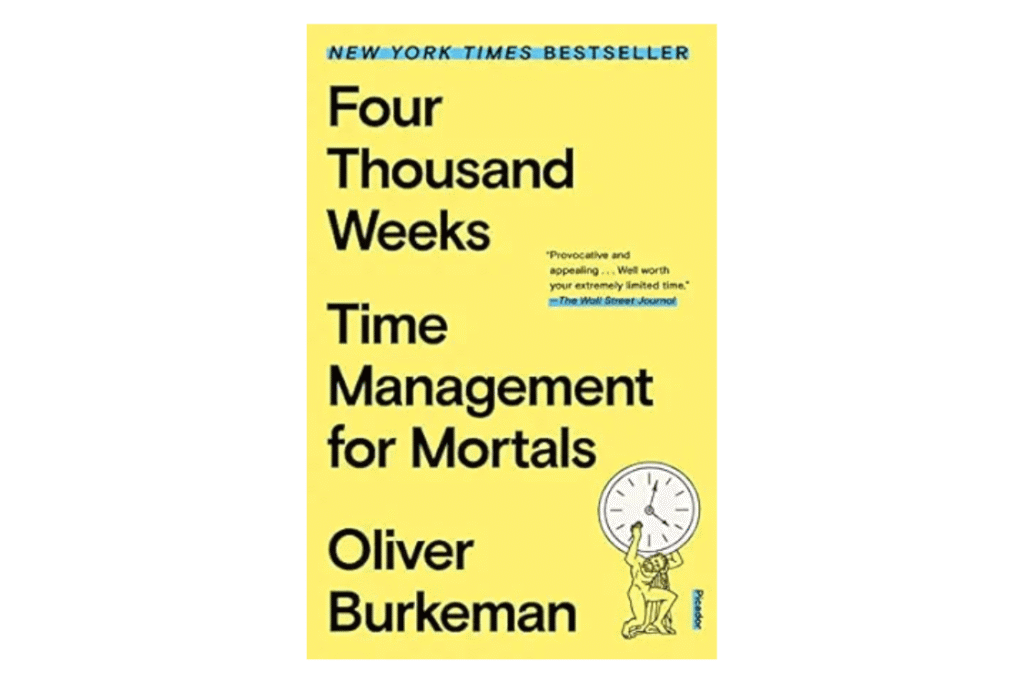
Best for: people who procrastinate because they feel behind in life
Four Thousand Weeks is not a typical productivity book, and that is exactly why it belongs here. Oliver Burkeman writes about time, limits, mortality, and the pressure to optimize every second of your existence like a haunted spreadsheet.
This book helps because procrastination often grows from impossible expectations. When you believe you must master everything, finish everything, and become your final form immediately, starting can feel pointless.
Burkeman opens the conversation with a blunt reminder:
“The average human lifespan is absurdly, insultingly brief.”
— Four Thousand Weeks by Oliver Burkeman
Burkeman’s line changes the productivity question completely. Instead of asking, “How can I do everything?” it asks, “What is actually worth my limited time?”
For readers who feel constantly behind, that honesty can feel strangely freeing. You are not failing because you cannot do everything. You are human, which is inconvenient but also clarifying.
Try this:
Choose one meaningful task today, not ten. Give it real attention. Let “enough” become part of your productivity vocabulary.
7. The Now Habit by Neil Fiore
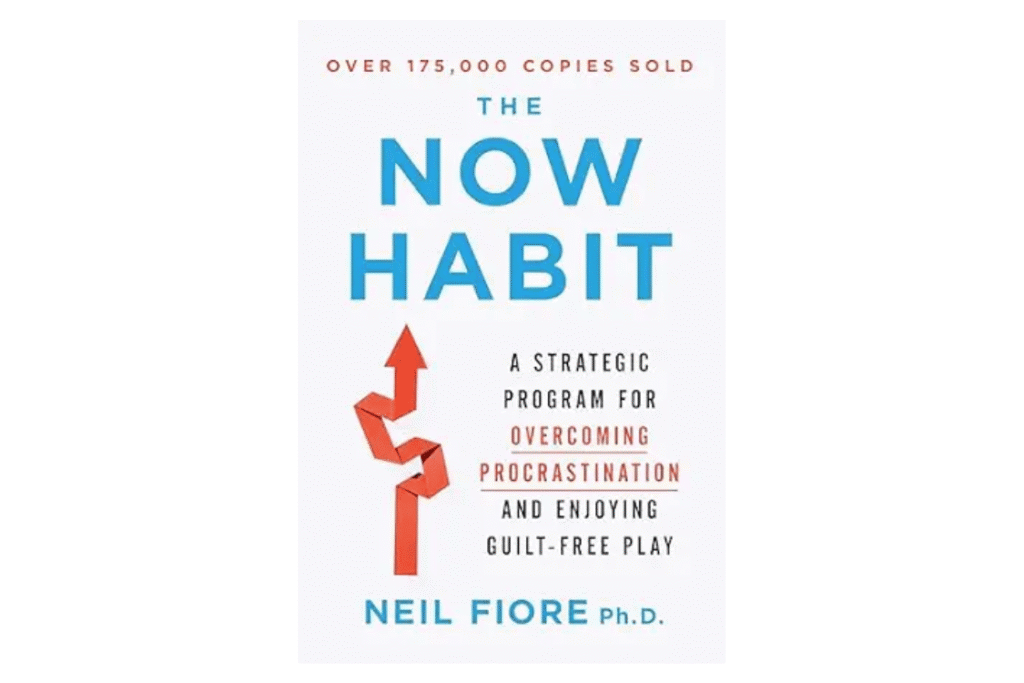
Best for: people who procrastinate because tasks feel emotionally heavy
The Now Habit is one of the best books on procrastination because it looks at the emotional side of delay. Neil Fiore focuses on guilt, pressure, fear of failure, and the way people turn work into something threatening before they even begin.
This book is helpful for perfectionists and chronic procrastinators who do not respond well to harsh self-talk. Instead of shaming readers into action, it encourages a more supportive approach to starting.
Fiore explains procrastination in a way that feels less judgmental and more useful:
“Procrastination is a mechanism for coping with the anxiety associated with starting or completing any task or decision.”
— The Now Habit by Neil Fiore
Fiore removes some of the shame from procrastination. Delay is not always a character flaw, but sometimes it is the mind’s awkward way of avoiding pressure, fear, or discomfort.
Once you understand that, the solution becomes less about yelling at yourself and more about making the task feel safe enough to begin.
Try this:
Replace “I have to finish this” with “I am going to start for 20 minutes.” The goal is not instant completion. The goal is lowering the emotional temperature enough to begin.
8. The War of Art by Steven Pressfield
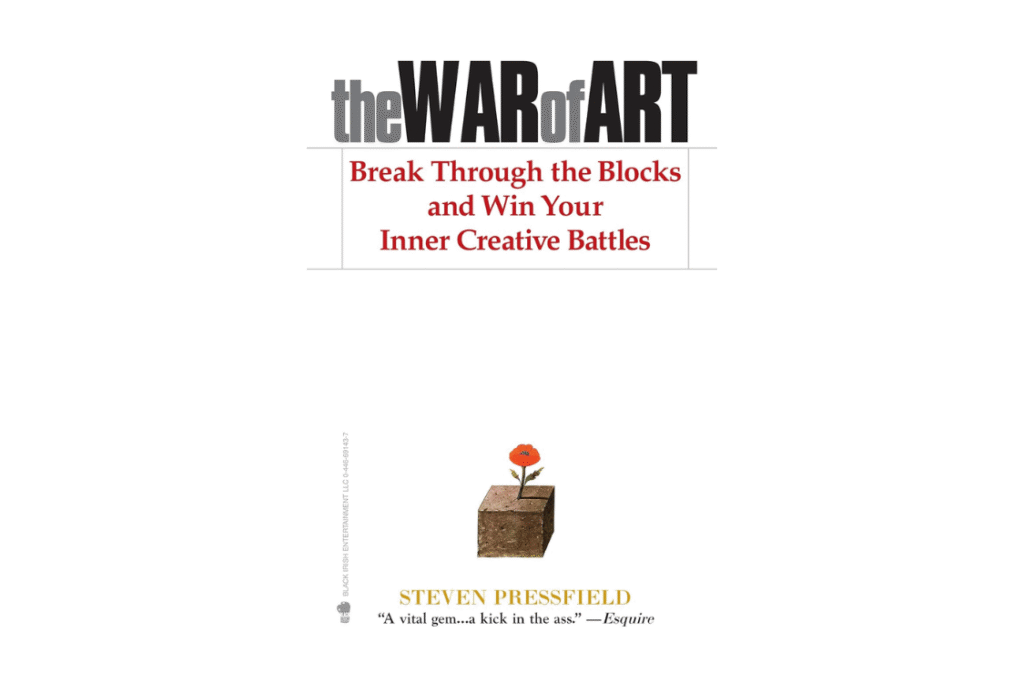
Best for: creatives who keep delaying the work they care about most
The War of Art is a favorite among writers, artists, entrepreneurs, and creators because it names the invisible force that keeps people from doing meaningful work: resistance.
Pressfield writes about the fear, distraction, self-doubt, and avoidance that show up when you are about to create something important. If you have ever cleaned your entire room instead of writing one paragraph, congratulations. You have met resistance, and apparently it brought cleaning supplies.
One of the book’s most useful lines reframes fear in a surprising way:
“Are you paralyzed with fear? That’s a good sign.”
— The War of Art by Steven Pressfield
Pressfield treats fear as a signal, not a stop sign. The work that scares you may be the work that matters most.
For writers, artists, entrepreneurs, and anyone trying to create something meaningful, that idea is both encouraging and deeply rude because it removes a very convenient excuse.
Try this:
Spend 15 minutes on the work before judging it. Do not evaluate, edit, or spiral. Just show up and make the first messy attempt.
9. Make Time by Jake Knapp and John Zeratsky
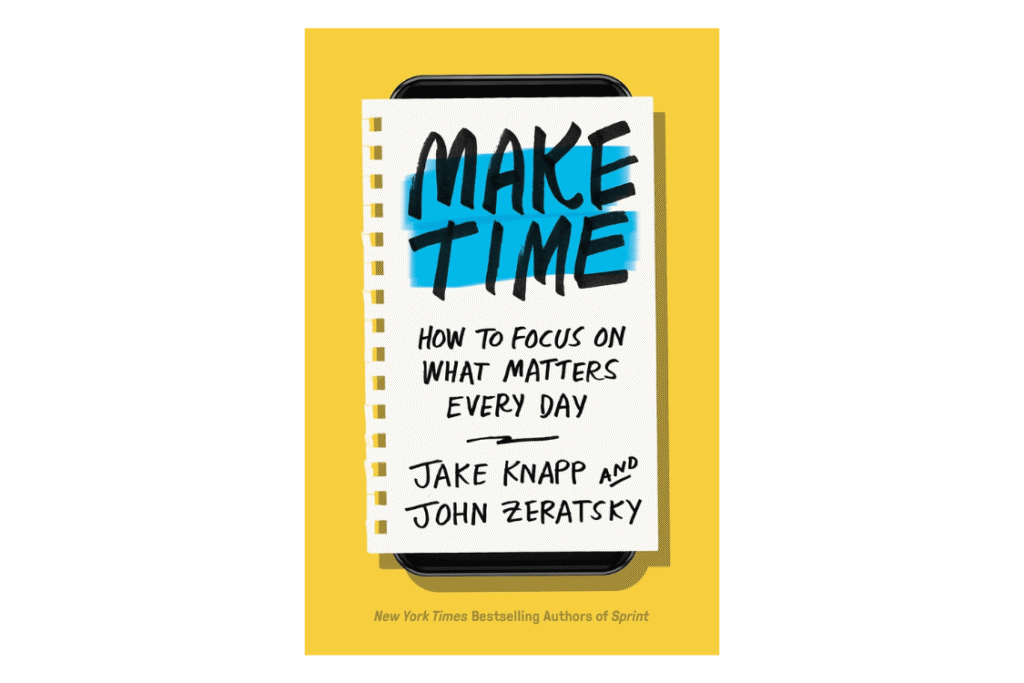
Best for: people who want a practical daily system for focus
Make Time is a friendly, flexible book for people who want to protect attention without moving to a cabin and becoming unreachable except by carrier pigeon. Jake Knapp and John Zeratsky offer simple tactics for choosing a daily highlight, managing distractions, building energy, and reflecting on what worked.
This book is especially useful if you feel busy but not focused. Instead of trying to overhaul your entire life, it helps you design better days one at a time.
The book’s daily highlight method is summed up in this practical line:
“Your Highlight gives each day a focal point.”
— Make Time by Jake Knapp and John Zeratsky
Knapp and Zeratsky offer a simple fix for scattered attention. A daily highlight gives your day a center, so your time is less likely to get swallowed by notifications, errands, and fake emergencies. For procrastinators, one clear priority can make starting feel less overwhelming.
Try this:
Pick one highlight for tomorrow. Make it specific, realistic, and meaningful enough that completing it would make the day feel successful.
Which Productivity Book Should You Read First?
The best productivity book to read first depends on why you procrastinate.
If you avoid hard tasks, start with Eat That Frog!. If you need better habits, read Atomic Habits. For distraction and focus, choose Deep Work. If your brain feels overloaded, Getting Things Done may help.
However, if your problem is overcommitment, Essentialism is probably the better first read. If productivity pressure itself is stressing you out, Four Thousand Weeks offers a much-needed exhale.
For creative resistance, choose The War of Art. For a kinder procrastination approach, try The Now Habit. Finally, if you want a simple daily system, Make Time is a practical place to begin.
How to Actually Use These Books
Here is the dangerous truth about the productivity books: reading them can become another form of procrastination. Very rude, but accurate.
To avoid that, read one book at a time and apply one idea before moving to the next. You do not need 47 highlighted pages and a morning routine that requires a project manager.
Instead, choose one problem and one practice. Build a habit. Protect one focus block. Choose one priority. Start the ugly task. Small changes count when they actually happen.
For more practical reading inspiration, you can also explore our collection of inspiring book quotes about life.
Final Thoughts
The best productivity books for procrastination do not magically remove resistance. They help you understand it, work with it, and build systems that make starting easier.
Some books teach habits. Others teach focus, priorities, time management, or creative discipline. Together, they remind us that productivity is not about becoming a machine. It is about making room for the work, goals, and life that matter most.
Start with one book. Use one idea. Then do one small thing today before your procrastination realizes what happened.
Leave a Reply