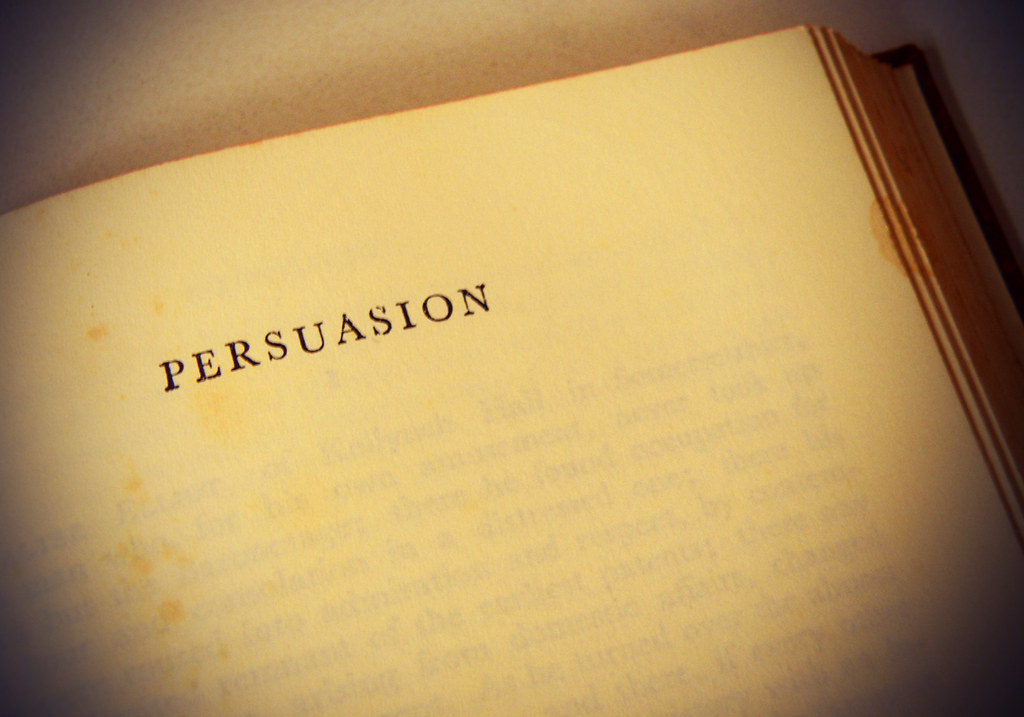
Few love letters make uncertainty feel as intimate as Captain Wentworth’s confession to Anne Elliot. The meaning of “You pierce my soul” lies in his admission that her words reach the feelings he has struggled to conceal.
In Jane Austen’s Persuasion, he writes after hearing Anne defend the constancy of women’s love. He hopes she means him, yet fears he has misunderstood. His agony and hope belong to that precarious moment before he knows whether she will accept him again.
Where “You Pierce My Soul” Comes From
The quote comes from Captain Frederick Wentworth’s letter to Anne Elliot in Persuasion. After listening to Anne speak about constancy in love, Wentworth realizes she may still care for him. Since he cannot speak openly in the room, he writes instead.
His letter includes the famous words:
“You pierce my soul. I am half agony, half hope.”Jane Austen, Persuasion, Chapter 23
Wentworth writes while Anne discusses lasting love with Captain Harville. Although she addresses another man, her conviction gives Wentworth reason to wonder whether she has remained faithful to him.
The letter allows him to answer her without interrupting the conversation or exposing their private history to everyone present.
For readers who want to explore the original novel, Project Gutenberg offers the public-domain text of Jane Austen’s Persuasion.
What Does “You Pierce My Soul” Mean?
To Wentworth, Anne’s words reach the deepest part of his emotional life. The verb “pierce” gives that recognition a painful edge, fitting a man who hears a possible declaration of love without knowing whether he is its intended recipient.
Their history makes the uncertainty sharper. Anne ended their engagement years earlier after accepting advice against the marriage, and Wentworth has struggled with resentment ever since. Hearing her speak about enduring attachment forces him to reconsider what he thought he understood about her feelings.
Why Wentworth Is “Half Agony, Half Hope”
“Half agony” names Wentworth’s fear that he has misunderstood Anne or waited too long. “Half hope” expresses the possibility that she might welcome his renewed proposal. Both feelings remain unresolved as he writes, giving the letter its urgency.
Austen lets readers recognize more than Wentworth can safely assume. We have followed Anne’s continuing attachment, but he must ask for an answer before he can share that certainty. The suspense comes from the distance between what the reader knows and what the lovers have managed to tell each other.
Why This Is Jane Austen’s Most Romantic Line
Many Jane Austen love quotes are romantic because they are witty, restrained, or quietly devastating. This one is different because it breaks open.
Darcy’s “ardently admire and love you” line from Pride and Prejudice is iconic, but Wentworth’s confession feels more vulnerable. He is not trying to impress Anne. He is trying not to lose her again.
The romance comes from the tension. Wentworth does not know the answer yet. He only knows that silence has become impossible. The result is one of the most emotionally honest love letters in classic literature.
Austen proves that romance does not always need dramatic scenery. Sometimes all it needs is a room, a letter, two people pretending to be calm, and one man quietly falling apart with excellent penmanship.
For more of Austen’s writing, check out this Pride and Prejudice quotes collection.
What Wentworth Finally Entrusts to Anne
The letter gives Anne an opportunity to answer for herself after years shaped by an earlier decision. Wentworth acknowledges his resentment while asking whether they might choose each other again. Readers drawn to that possibility will find other expressions of longing in our collection of romantic quotes from classic literature.
Wentworth offers Anne the truth before he has any assurance of its welcome. The letter’s tenderness comes from that exposure, as years of guarded feeling give way to the possibility of being understood.
Leave a Reply