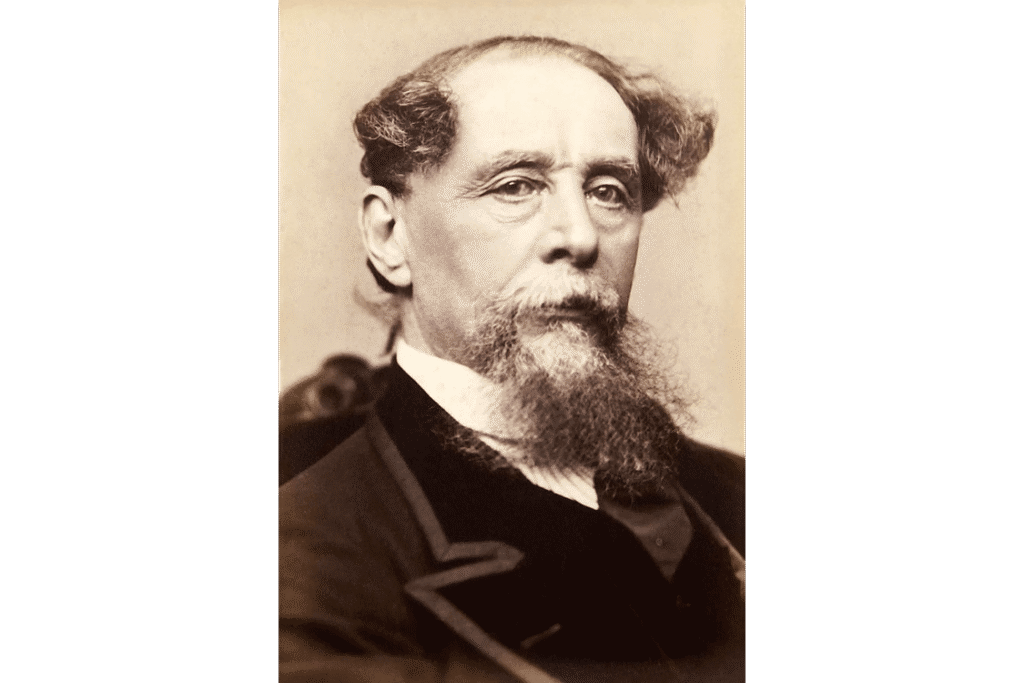
Charles Dickens understood how easily people confuse money with worth and longing with love. He could expose those mistakes through a quiet conversation, although he was equally willing to involve a ruined wedding feast or a deeply inconvenient inheritance.
Explore Charles Dickens quotes, books, and their meanings through the collections and guides below. From Pip’s search for a better life to Scrooge’s Christmas redemption, discover memorable passages, complex characters, and stories that reward a closer reading.
TABLE OF CONTENTS:
Find Your Starting Point
Our Dickens collection explores Great Expectations, A Tale of Two Cities, and A Christmas Carol, alongside selected passages from his other works. Choose a quotation collection for a broader introduction, or follow a specific question into the story.
| What would you like to explore? | Start here |
|---|---|
| Love, ambition, and the search for a better life | Great Expectations book quotes |
| Sacrifice, injustice, and revolutionary France | A Tale of Two Cities quotes |
| Dickens’s famous opening about the best and worst of times | The opening line explained |
| Estella’s upbringing and her place in Pip’s imagination | Estella in Great Expectations |
| Why Pip keeps hoping for Estella’s love | Pip and Estella’s relationship |
| The betrayal behind Miss Havisham’s revenge | Miss Havisham’s motives explained |
| Whether Pip and Estella end up together | Great Expectations ending explained |
| Barkis’s unusual proposal and the phrase it inspired | “Barkis is willing” meaning |
| Scrooge, Christmas, kindness, and redemption | A Christmas Carol Quotes |
The character and ending guides discuss later events in the novels, so expect spoilers when following those links.
Meet Charles Dickens
Charles Dickens was an English novelist and journalist whose fiction helped shape how readers imagine Victorian life. His stories move through crowded streets and wealthy households, paying particular attention to people whose suffering others find convenient to ignore.
As the Charles Dickens Museum explains, he challenged the assumption that poverty revealed a person’s moral failings. His fiction and journalism drew attention to the conditions faced by poor and working families.
That concern gives his characters’ private troubles a wider significance. An embarrassing visit, a hungry child, or a carefully delivered insult can reveal the rules of an entire society. Meanwhile, his humor makes vanity and hypocrisy difficult to hide behind respectable manners.
Great Expectations and the Life Pip Imagines
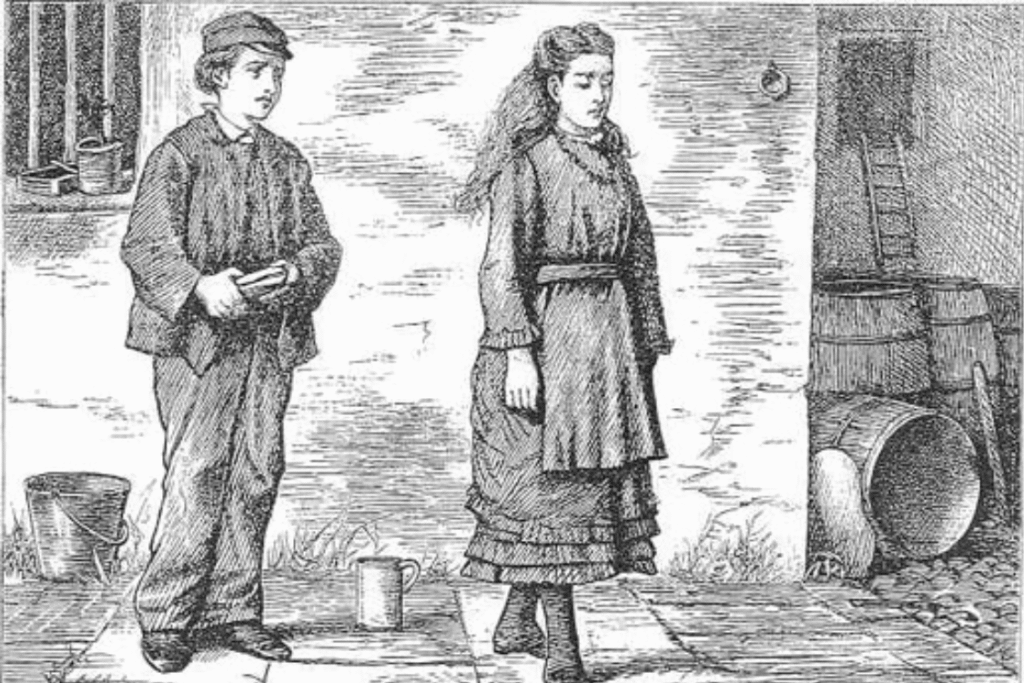
Great Expectations follows Pip as he begins to believe that a different social position will bring him the life he deserves. His desire grows tangled with his feelings for Estella, whose contempt makes him painfully conscious of his background.
Yet the novel repeatedly challenges his judgment. People he admires can be careless with him, while those he finds embarrassing offer loyalty he has barely learned to recognize.
Our Great Expectations book quotes introduce those tensions through passages about love, ambition, gratitude, and regret. The guides below explore the relationships behind them.
Estella Beyond Pip’s Expectations
Pip sees Estella through his hopes long before he understands her as a person. Her beauty and polished manners suggest everything he thinks his own life lacks, but her upbringing has prepared her for a role she did not choose.
The guide to Estella in Great Expectations examines her relationship with Miss Havisham, her emotional distance, and what Dickens reveals about the connection between education and identity.
Love Mixed With Ambition
Pip’s attachment to Estella is sincere, although sincerity does not make his expectations realistic. He listens to her warnings and continues imagining a future in which she will feel differently.
Our interpretation of Pip and Estella’s relationship considers how affection becomes entangled with shame and social ambition. It also looks at the care Pip overlooks while pursuing the approval he wants most.
Miss Havisham’s Unfinished Revenge
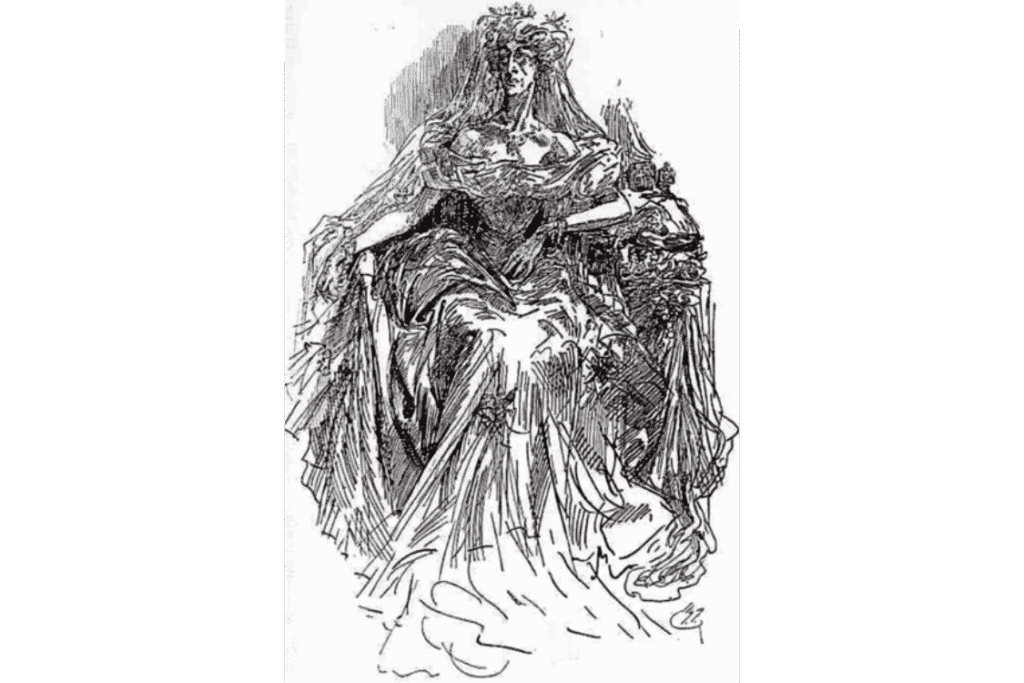
Miss Havisham tries to make other people pay for her betrayal. By drawing Estella and Pip into that project, she extends the harm far beyond the man who abandoned her.
Read why Miss Havisham wants revenge for a closer look at her motives and the consequences she eventually has to confront.
An Ending Still Debated
Dickens wrote two endings for Great Expectations, and their differences change how readers understand Pip and Estella’s future. Even the familiar revised ending leaves room for disagreement.
Our Great Expectations ending explanation compares the versions and separates what the final scene establishes from what readers may hope it promises.
A Tale of Two Cities and a World Divided
A Tale of Two Cities moves between London and Paris before and during the French Revolution. Dickens brings private relationships into the path of public violence, showing how injustice can generate demands for change that harden into revenge.
At the same time, the novel makes room for acts of care that resist that violence. Family loyalty and personal sacrifice acquire their force against a world increasingly willing to treat individuals as representatives of a hated group.
Explore our A Tale of Two Cities quotes and meanings for passages about human nature, love, loneliness, and the possibility of redemption.
The Best and Worst
“It was the best of times, it was the worst of times”
Charles Dickens, A Tale of Two Cities, Book the First, Chapter I
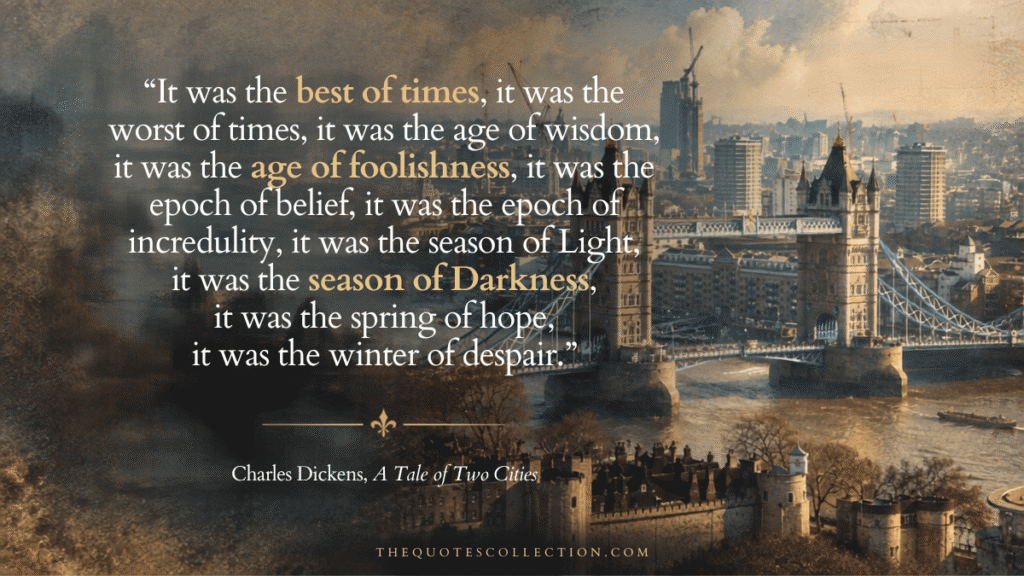
The opening places opposing descriptions of the same age beside one another. Its rhythm is memorable, but the contradictions also prepare readers for the novel’s unstable world.
Our guide to “the best of times, the worst of times” explores the historical setting, the language of the opening paragraph, and why the line travels so easily into discussions of other periods.
A Christmas Carol and Scrooge’s Second Chance
In A Christmas Carol, Dickens introduces Ebenezer Scrooge as a wealthy man who has little patience for Christmas or the people around him. However, three visiting spirits force him to confront his past, witness the struggles of others, and consider where his choices may lead.
The novella explores greed, kindness, social responsibility, and the possibility of personal change. From Marley’s warning to Tiny Tim’s familiar blessing, its most memorable lines gain deeper meaning as Scrooge begins to question the life he has built.
Explore our collection of famous A Christmas Carol quotes, with their original wording, speakers, stave references, and explanations of how each passage contributes to Scrooge’s redemption.
David Copperfield and an Unlikely Courtship
In David Copperfield, Dickens finds humor in a courtship conducted through a remarkably brief message. Barkis asks young David to tell Peggotty that “Barkis is willing,” leaving her to understand the marriage proposal he cannot quite bring himself to make directly.
His awkward approach gives the phrase its charm, but the words also acquired a wider use as an expression of readiness or agreement. Explore the meaning of “Barkis is willing” for the story behind the message and how its meaning extends beyond the novel.
Reading Dickens Beyond the Quotation
A Dickens quotation can sound very different once you know who says it. Pip’s recollections, for example, carry the perspective of someone looking back on mistakes his younger self could not recognize.
Similarly, a character’s declaration about love or justice is not automatically the novel’s final judgment. Dickens often lets people reveal their limitations through the very statements they find most convincing.
When exploring Charles Dickens quotes, notice the speaker, the surrounding scene, and what happens afterward. Those details help distinguish tenderness from self-deception and a sincere promise from a belief the story will challenge.
You may arrive looking for a beautiful sentence and leave questioning the person who says it. With Dickens, that is often where the interesting reading begins.